
In December 1935, a strange story grabbed headlines across the United States. A young, wealthy actor named Caleb Milne IV vanished from his New York apartment without warning. He left behind a note that hinted at a trip to Philadelphia with someone called Dr. Greene, which only deepened the mystery. Within hours, worry turned into panic among his family and friends.
The situation escalated the next day when a ransom note arrived. The message was made from letters cut out of magazines, a detail that felt straight out of a crime novel. It came with Milne’s wristwatch, which made the threat feel real and urgent. The note demanded money from his grandfather, a retired textile magnate with serious wealth.
Newspapers ran the story nonstop, painting Milne as a charming and handsome young man caught in a dangerous situation. The public followed every update with growing tension. Even FBI Director J. Edgar Hoover took notice, which shows just how big the story had become. People believed they were watching a real-life crime unfold in real time.
Four days later, the drama reached a peak. Three boys found Milne lying in a ditch near Doylestown, Pennsylvania. He was bound, gagged, and barely responsive. The scene looked convincing, and he was rushed to a hospital, where doctors examined him and documented his injuries.
The Hoax Fell Apart in a Shocking Way

His confession stunned both the public and the authorities who had chased the case.
Milne explained his reasoning in simple terms. He was struggling to find work as an actor and needed a break. And he believed that publicity could open doors that talent alone had not. His plan was risky, but he thought the attention would help his career take off.
Earlier, Milne had claimed his captors had drugged him, pointing to a series of puncture marks on his arm. At first glance, the story seemed believable. The nation felt relieved that he was alive, but questions quickly started to surface. Something about the case did not sit right with investigators.
Consequences That Lasted Years
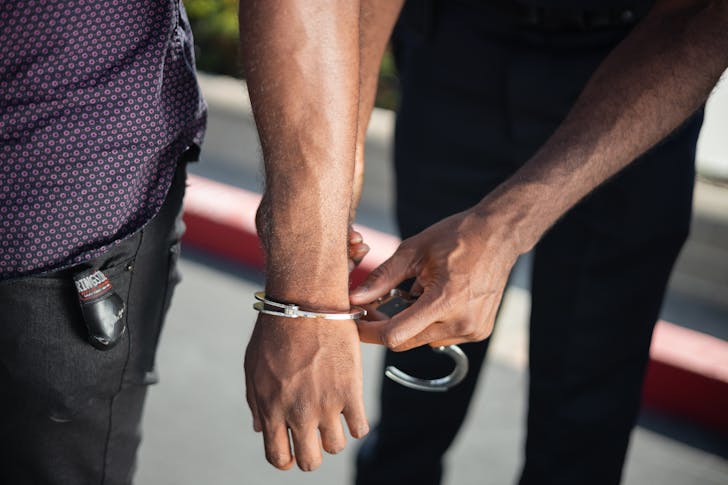
His actions had wasted law enforcement resources and caused real fear among his family. The situation was no longer just a publicity stunt.
In early 1936, a grand jury reviewed the case but chose not to indict him. That decision spared him from prison, but it did not erase the damage. His reputation was deeply affected, and his relationships suffered. People who once supported him now saw him in a very different light.
The biggest personal blow came from his grandfather. The wealthy patriarch cut Milne out of his will entirely. When he died in 1941, the estate was worth a large sum, but Milne received nothing. The stunt that was meant to bring success ended up costing him both trust and financial security.
His acting career never gained the boost he had hoped for. Instead of being known for talent or performance, he became known for deception. The story followed him for years, shaping how people viewed him. It served as a cautionary tale about the dangers of chasing fame at any cost.
When World War II broke out, Milne joined the American Field Service as an ambulance driver. This role placed him close to danger, but it also gave him a chance to do something meaningful.
In 1943, Milne was serving in Tunisia, North Africa. During one mission, he tried to rescue two injured soldiers under enemy fire. The situation was intense and dangerous, with mortar shells landing nearby. In that moment, he acted with courage and urgency.
Tragically, he was killed by enemy mortar fire while attempting the rescue. His death marked a stark contrast to the earlier chapter of his life.