You open your investment app just to “check in.” The numbers look a little lower than yesterday. Your mood drops with them. You tell yourself it is just a quick glance, but your brain is already spinning. Should you sell before it gets worse?
This habit feels harmless, but it quietly wrecks your long-term returns. The more often you check your portfolio, the more likely you are to react instead of think. That reaction usually leads to bad decisions, not better ones.
Why Your Brain Turns Against You
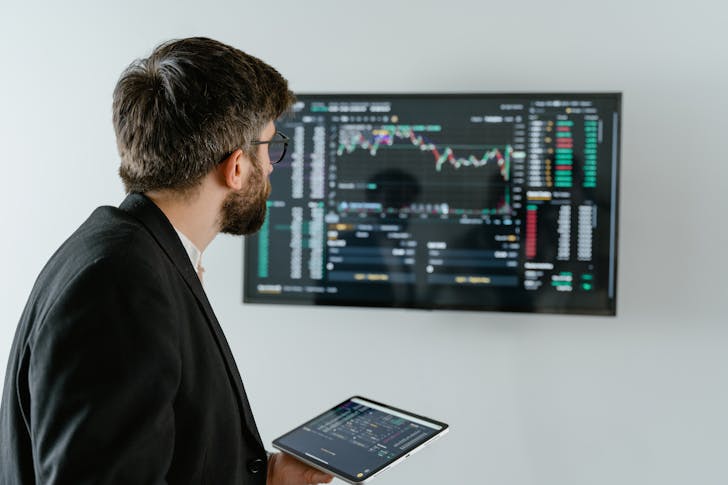
When you check your portfolio every day, you see a lot of red days. Markets go up over time, but they move down almost half the time in the short term. That means frequent checking exposes you to constant mini losses, which builds stress and fear.
This leads to something called myopic loss aversion. It simply means you focus too much on short-term losses and ignore the bigger picture. Instead of sticking to your plan, you start thinking about how to escape the pain. That is when panic selling begins.
More Checking Leads to Worse Decisions
It feels logical to believe that watching your investments closely gives you control. In reality, it creates the opposite effect. The more you watch, the more you feel the need to act. That action usually turns into overtrading.
Overtrading eats into your returns in quiet ways. Every trade can come with fees, taxes, or missed growth. Even worse, frequent trading often means selling low and buying high, which is the exact opposite of what works.
Research backs this up clearly. Investors who check their portfolios often tend to take less risk and earn less over time. They react to noise instead of focusing on long-term trends. The market rewards patience, not constant activity.
There is also a false sense of control that comes from watching numbers move. You may feel like you can predict the next move, but markets do not work that way. Trying to time them usually leads to mistakes, not gains.
The Right Way to Check Your Investments
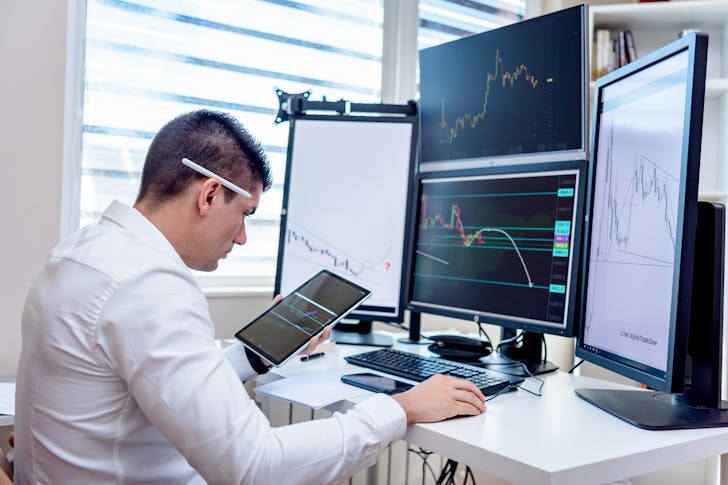
A quarterly review helps you stay focused on your goals. You can check if your investments are still aligned with your plan. You also avoid the emotional roller coaster that comes with daily swings.
Some long-term investors check even less often. Once or twice a year can be enough if your portfolio is simple and well-diversified. The goal is to stay informed without letting emotions take over.
When you do review your portfolio, focus on the big picture. Look at performance over years, not days. Short-term dips are normal, but long-term growth is what matters.
What You Should Do During a Review?
A good review is not about reacting to market moves. It is about making thoughtful adjustments. One key step is rebalancing your portfolio. This means bringing your investments back to your target mix.
For example, if stocks have grown a lot, they might take up too much of your portfolio. Rebalancing would involve selling some stocks and buying other assets. This keeps your risk level in check and locks in gains over time.
You should also think about your life changes. A new job, a big expense, or a shift in goals can affect your investment plan. Your portfolio should reflect your current situation, not just your past decisions.