
A personalized cancer vaccine from Moderna and Merck has cleared its biggest clinical test yet. The experimental mRNA therapy, combined with Keytruda, significantly reduced melanoma recurrence and spread in a large Phase 3 trial. Doctors would use the treatment after surgery in patients whose melanoma has been removed but still carries a high risk of returning.
Moderna and Merck announced the positive results on August 19, 2026. Their Phase 3 INTerpath 001 study enrolled 1,137 patients with completely removed stage IIB through stage IV melanoma.
The combination met the trial’s main goal of improving recurrence-free survival compared with Keytruda alone. It also met the key secondary goal of distant metastasis-free survival, meaning patients went longer without melanoma spreading to distant parts of the body.
Those results give Moderna and Merck something researchers have pursued for years. Reuters reported that this is the first mRNA cancer vaccine to show statistically and clinically significant benefits when added to a checkpoint inhibitor in a Phase 3 trial.
However, there is still an important limit to what can be said today. The companies have not released the complete Phase 3 dataset, so exact risk reductions, detailed safety findings, and mature overall survival results remain unavailable.
The Vaccine is Built Around Each Patient’s Tumor
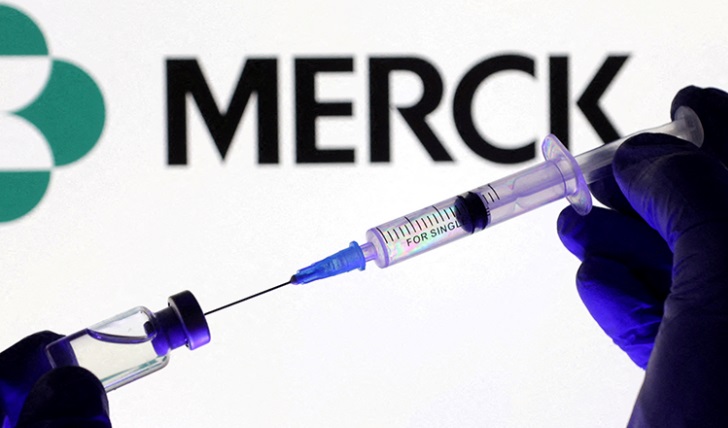
Moderna describes it as an “individualized neoantigen therapy,” which means each patient’s treatment is designed around mutations found in that person’s tumor. After doctors obtain tumor tissue, researchers analyze its genetic mutations. An algorithm then selects up to 34 neoantigens that could help the immune system recognize cancer cells as targets.
Moderna encodes those selected targets into synthetic mRNA. Once administered, the treatment aims to teach the patient’s immune system to identify cells carrying those cancer-specific signals and mount a targeted T cell response. That personalized design separates intismeran from standard vaccines produced in identical doses for millions of people. Each treatment must be created around the genetic features found in an individual patient’s cancer.
Merck’s Keytruda handles another part of the immune response. The drug blocks PD 1, a checkpoint that cancer can exploit to weaken the immune system’s ability to attack tumor cells. Combining the treatments has a clear goal. Intrisan helps direct immune cells toward specific cancer targets, while Keytruda helps release a biological brake that can limit the immune attack.
The Phase 3 trial tested that idea after surgery. Patients had high-risk melanoma that had been completely removed, but they still faced the possibility that hidden cancer cells could survive and eventually trigger a recurrence.
Earlier Results Gave Researchers Reason for Confidence
The Phase 3 success did not arrive without warning. Moderna and Merck had already reported strong long-term results from their smaller Phase 2b KEYNOTE 942 study involving patients with high-risk stage III or IV melanoma after complete surgical removal.
After a median follow-up of about five years, intismeran plus Keytruda reduced the risk of recurrence or death by 49% compared with Keytruda alone. The combination also reduced the risk of distant metastasis or death by 59%.
The earlier trial also provided clues about how the treatment might work inside the body. Researchers found greater expansion of new T cell clones in patients receiving the combination than in those receiving Keytruda alone.
The Melanoma Result Could Reach Far Beyond Skin Cancer
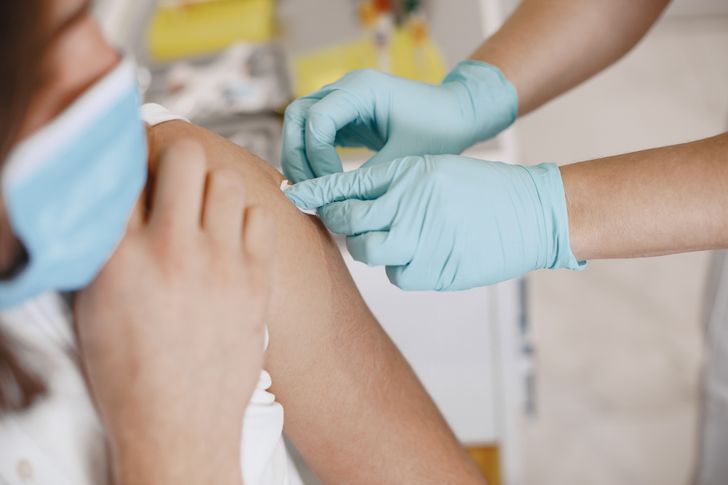
A successful platform across several tumors could turn personalized mRNA treatment into a much larger part of cancer medicine rather than a therapy tied to one disease. That possibility explains why investors reacted so strongly to the Phase 3 news. Moderna shares more than doubled at one point after the announcement, adding roughly $30 billion to the company’s market value, while Merck shares also climbed sharply.
Investors are looking beyond melanoma because Moderna needs new sources of long-term growth after the pandemic-driven boom in its COVID-19 vaccine business. A successful cancer platform could give its mRNA technology a major role outside infectious disease.
Analysts are already attaching substantial commercial value to the melanoma opportunity. Reuters reported that Barclays sees melanoma-related sales potentially reaching about $3 billion annually by 2035.